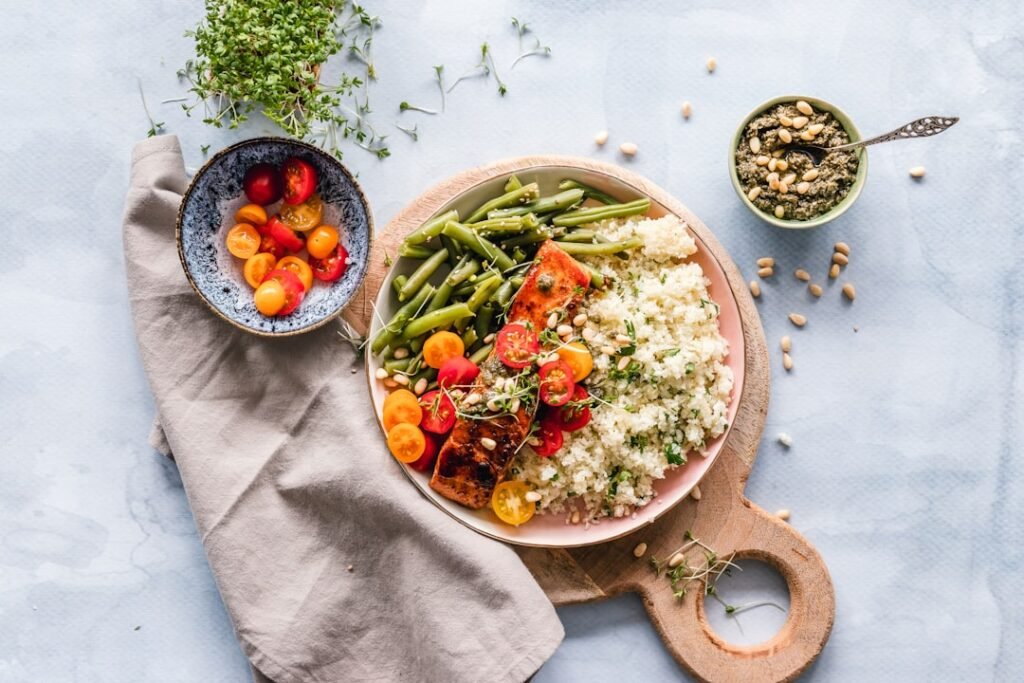
In the world of modern wellness, “inflammation” has become a buzzword often associated with everything from joint pain to chronic fatigue. But beyond the hype lies a powerful, science-backed approach to health: the anti-inflammatory diet. This isn’t just another restrictive meal plan; it’s a lifestyle shift focused on fueling your body with foods that calm the internal fire and promote long-term vitality.
What is Chronic Inflammation?
While acute inflammation is a healthy response to injury or infection, chronic inflammation is a silent, persistent state where the body remains on high alert. Over time, this can damage healthy tissues and is linked to conditions like heart disease, diabetes, and autoimmune disorders. An anti-inflammatory diet aims to reduce this systemic stress through nutrient-dense, whole foods.
The Pillars of Anti-Inflammatory Eating
To effectively lower inflammation, focus on these core dietary principles:
- Prioritize Whole Plants: Fill your plate with colorful vegetables and fruits. Berries, leafy greens, and cruciferous vegetables like broccoli are packed with antioxidants that neutralize inflammatory markers.
- Healthy Fats are Essential: Swap pro-inflammatory seed oils for Omega-3 rich sources. Fatty fish (salmon, sardines), walnuts, chia seeds, and extra virgin olive oil are your best allies.
- The Power of Spices: Turmeric (containing curcumin) and ginger are legendary for their anti-inflammatory properties. Incorporating them into daily meals can have a cumulative positive effect.
- Fiber and Gut Health: A healthy microbiome is crucial for managing inflammation. Focus on fiber-rich legumes, ancient grains, and fermented foods like kimchi or sauerkraut.
Foods to Audit and Avoid
Just as important as what you add is what you limit. Highly processed sugars, refined carbohydrates (like white bread and pastries), and excessive trans fats are known triggers for inflammatory responses. This is where tools like the Ingredient Checker become invaluable—helping you identify hidden inflammatory agents in packaged goods that might otherwise seem “healthy.”
A Science-Backed Approach
At Natural Online Finds, we believe in transparency. Research from institutions like the Harvard T.H. Chan School of Public Health consistently shows that diets rich in fruits, vegetables, and healthy fats significantly lower markers of inflammation like C-reactive protein (CRP). By choosing foods based on clinical evidence rather than marketing claims, you take control of your metabolic health.
Conclusion: Start Small, Think Long-Term
Transitioning to an anti-inflammatory diet doesn’t have to happen overnight. Start by swapping one processed snack for a handful of walnuts or adding a serving of greens to your lunch. Over time, these small choices compound into a powerful defense against chronic disease and a foundation for vibrant health.
Disclaimer: This article is for informational purposes only and is not a substitute for professional medical advice. Always consult a qualified healthcare provider before making changes to your health or wellness routine.